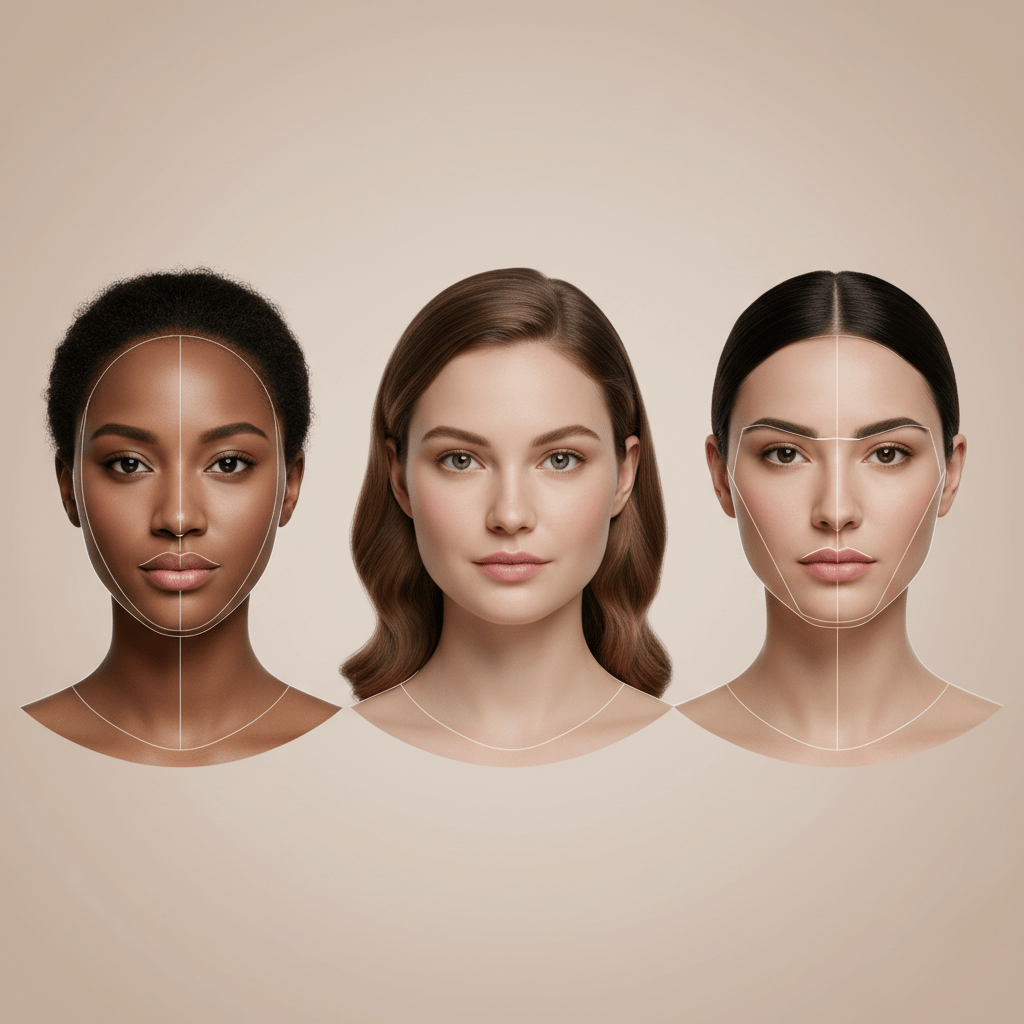
Glasses frames for face shape: how to choose the right pair
Reviewed by Face Shape ID Team
- glasses
- face shape
- style
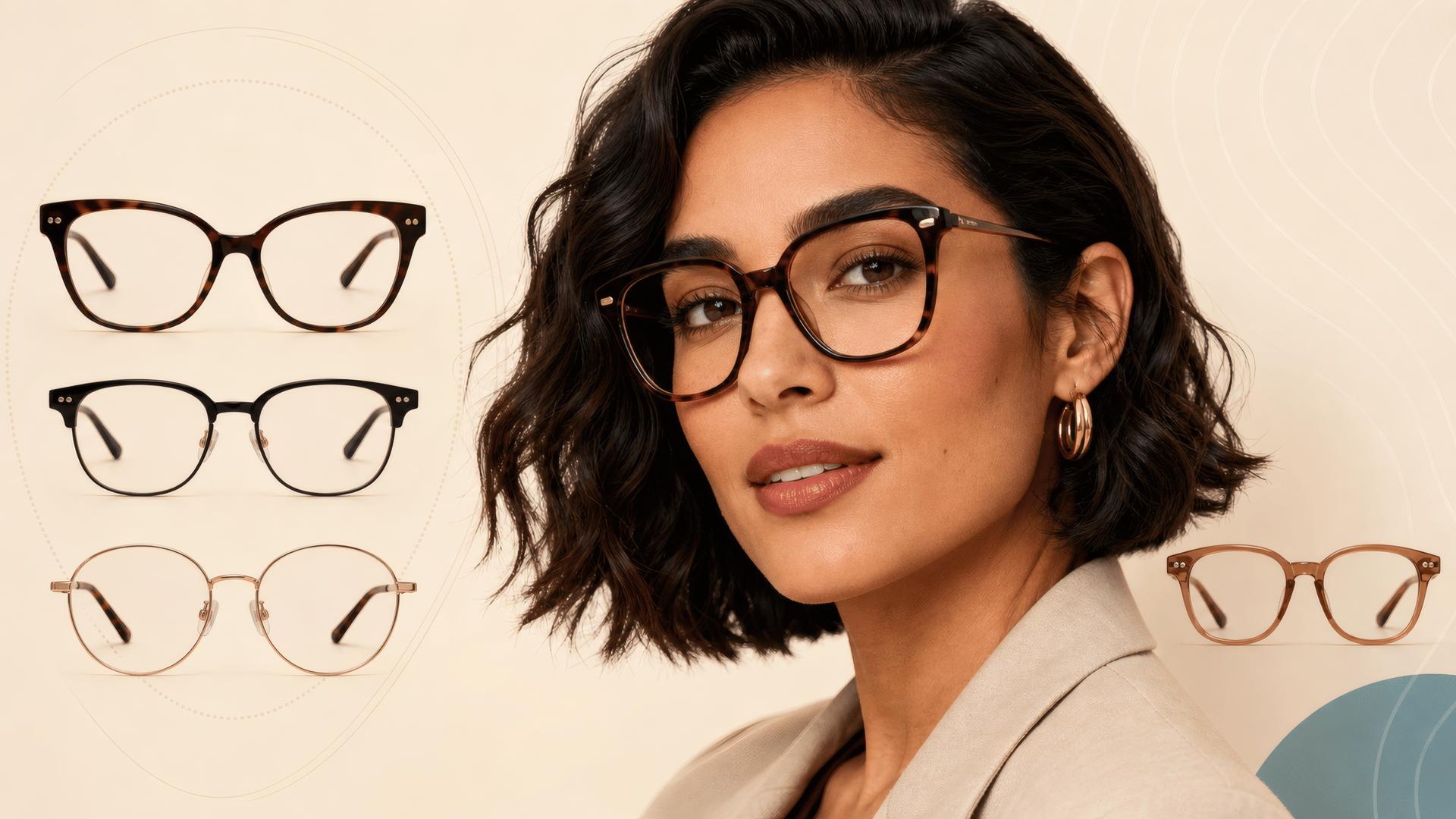
Learn how to choose glasses frames for face shape using frame geometry, bridge fit, lens height, and temple measurements, with practical advice for shopping online.
In this article(11 sections)
- Fit first. Everything else is decoration
- The chart is a starting point
- If your face is round
- The numbers on the inside of the temple
- Eight things to check in the mirror before you buy
- Rim style changes more than you'd expect
- Trying frames on through your phone
- By face shape, briefly
- Where people go wrong
- Three things, if you're only doing three things
- Quick questions people ask
My cousin picked her last pair of glasses because a face-shape chart told her rectangular frames were "perfect" for her round face. They looked great under the store lighting. Two weeks later she was pushing them up her nose every ten minutes, and by the end of most days there were two little dents behind her ears that ached if she rubbed them. The chart wasn't wrong, exactly. It just never asked about her bridge.
That's the part nobody tells you going in.
Fit first. Everything else is decoration
A chart can point you toward curves or angles. It cannot measure your nose. So use it for direction, then forget it exists once you're actually trying frames on.
Quick version, if you're skimming:
- Frame width, bridge, lens height, temple length — sort those out before you even think about color.
- Round face? Structured frames usually help. But a round frame on purpose can look great too, if that's your thing.
- Square faces often do well with curved shapes when you want some contrast in there.
- oval faces have room to play, though width and bridge still matter regardless of shape.
- Oblong faces — more lens height tends to help. Heart and diamond shapes usually lean toward lighter, more balanced frames.
- An optician checks the stuff a chart can't: prescription compatibility, measurements, whether the pair actually sits right on your particular face.
The chart is a starting point
Face-shape charts assume everyone with a round face has the identical round face. They don't. Real faces have depth, asymmetry, a jawline that photographs differently than it feels in the mirror. Real frames have bridge shapes and nose pad positions and lens depths that a two-dimensional outline just can't account for.
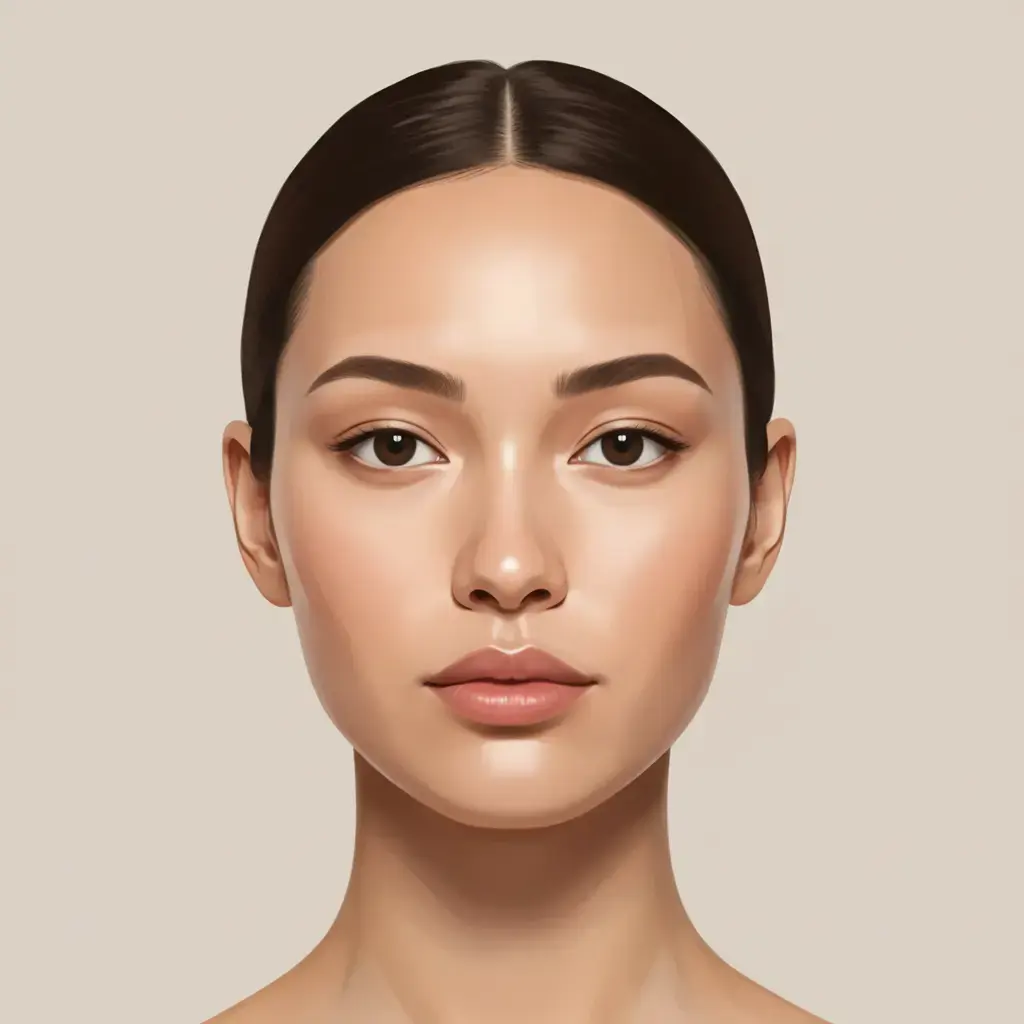

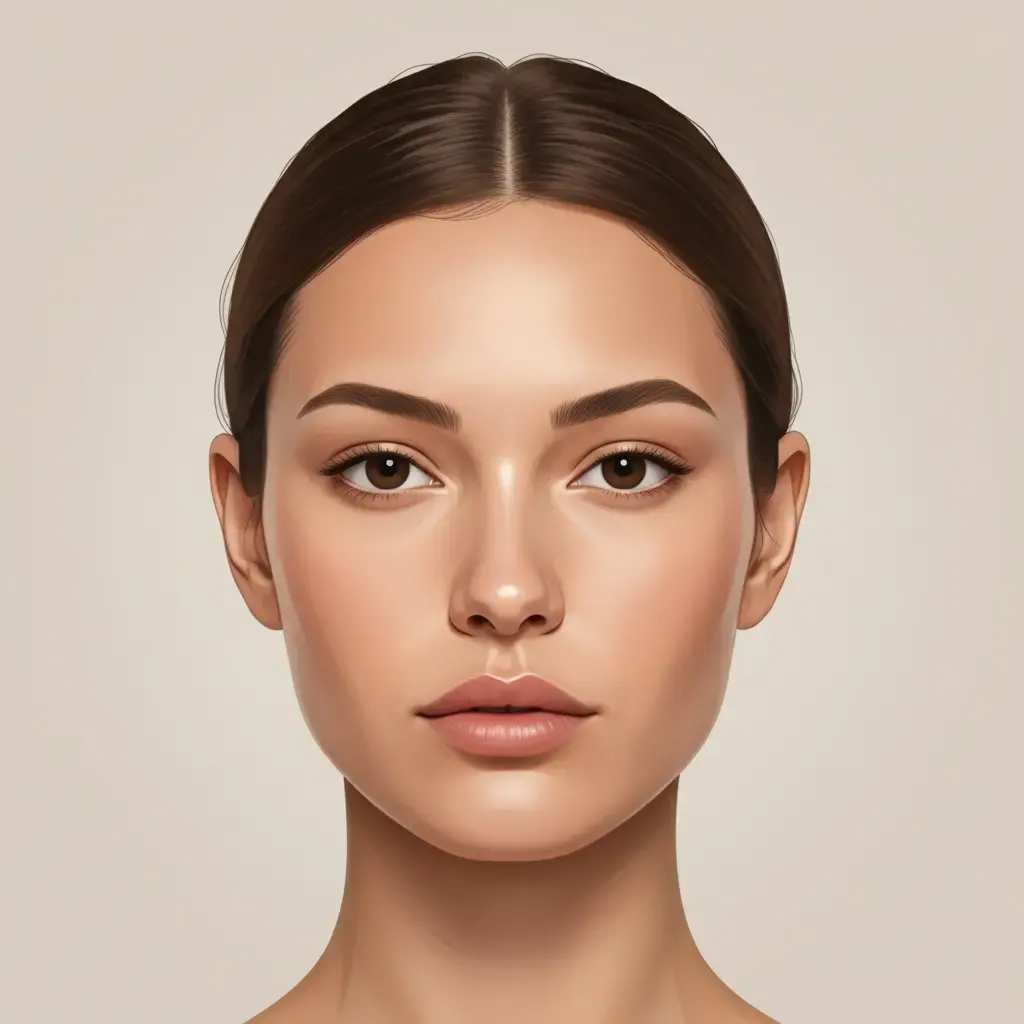
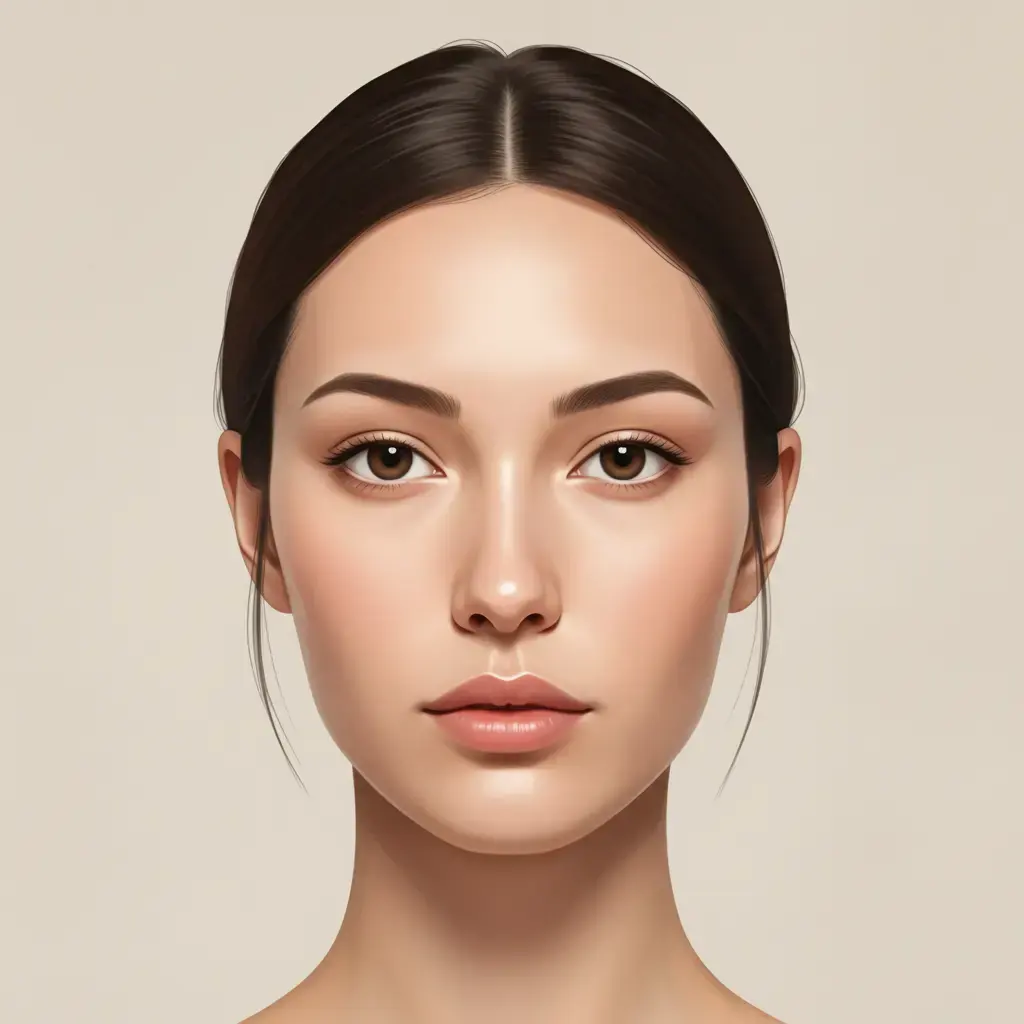
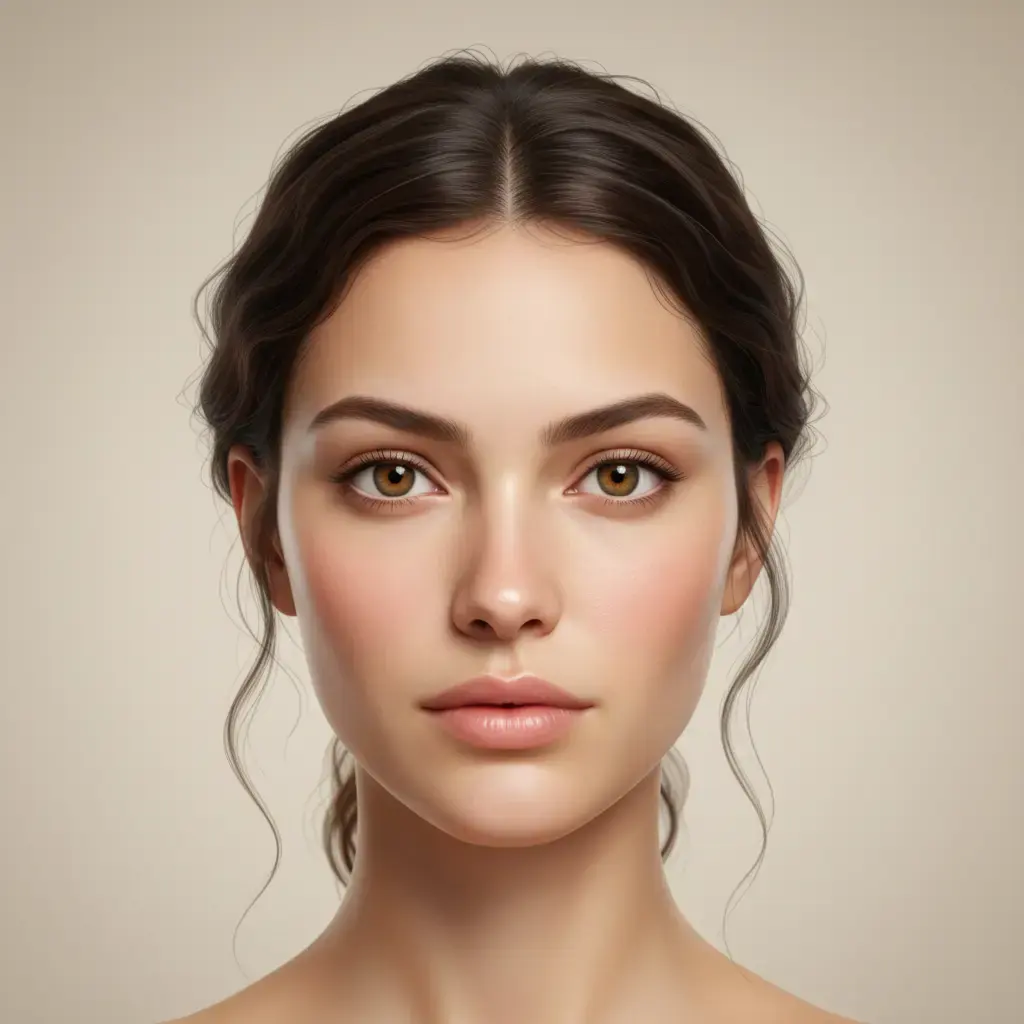
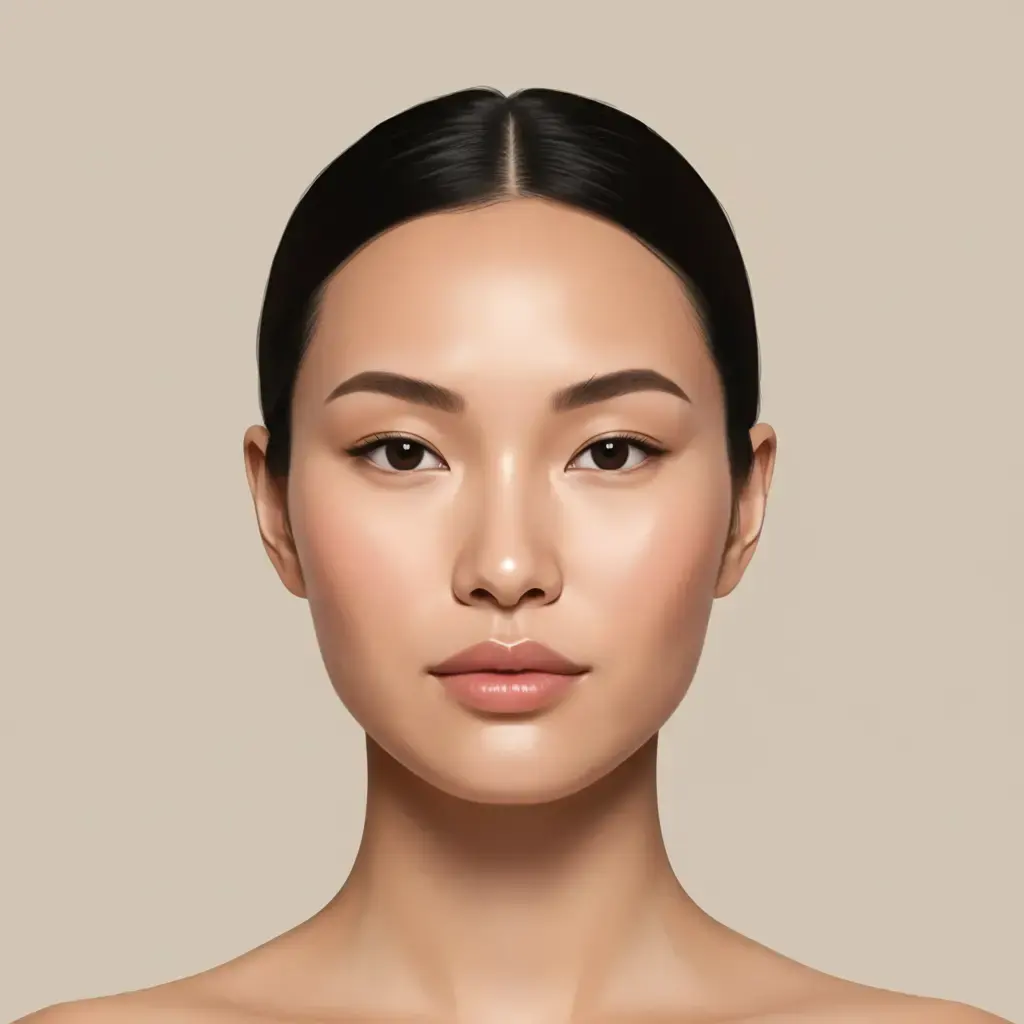
| Face shape | Try this direction | Watch for |
|---|---|---|
| Round | Rectangular, square, geometric | Don't go so narrow the cheeks look wider by comparison |
| Square | Round or softly curved | Corners that stick out too far past your face |
| Oval | Almost anything works | Width and bridge position still matter |
| Oblong | Taller lenses, more depth | A shallow lens can stretch the face out even more |
| Heart | Light rims, lower visual weight | Keep the brow area from feeling heavy |
| Diamond | Cat-eye, oval, rimless | Bridge and width shouldn't crowd the cheekbones |
| Triangle | Browline, more presence up top | Upper frame too wide for your temples |
Directions, not commandments. All About Vision makes basically the same point in their eyewear guide — shape narrows things down, fit and taste finish the job.
If your face is round
Add structure if you want it. Rectangular, square, browline — anything with a clear top line gives contrast. Or don't. A round frame on a round face isn't a mistake, it's just a softer look, and some people genuinely prefer that continuous shape over anything angular.
Width is where people mess this up. Go too narrow and the cheeks read wider by comparison — the frame doesn't shrink your face, it just makes everything around it look bigger. Go too wide and you get sliding, pressure at the temples, a pair that never quite feels attached to your head.
A few shapes worth trying: soft rectangle, square acetate if you want something bolder, browline for emphasis, geometric panto if angular feels like too much. Slim oval too, for a quieter option.
When you're trying one on, ask yourself something simple. Does it stay level when you smile? Does the bridge move when you look down? Small movements like that tell you more than staring straight ahead ever will.
The numbers on the inside of the temple
Every pair has them stamped somewhere, usually something like 52-18-140. First number's the lens width. Second is the bridge. The 140 is temple length, and manufacturers don't all measure exactly the same way, so treat these as a comparison tool more than a promise.
Read the frame numbers
52-18-140 is a fit clue, not a guarantee
You will usually find these three numbers printed inside one temple. Compare them with a pair that already fits you, then confirm the final fit with an optician.
52 mm: lens width
The width of one lens. A frame that is too narrow can pinch; one that is too wide can slide.
18 mm: bridge width
The space between the lenses. This number often explains why a pair slips even when the width looks right.
140 mm: temple length
The arm length from hinge to tip. It should reach the ear without pushing the frame forward.
Width should sit across your face without pinching or leaving big gaps at the sides. A little overhang past the face is fine. A lot of it usually means the pair will feel unstable within a week.
Bridge fit is where most complaints come from, in my experience. Low bridge, high bridge, nose pads versus molded acetate — they all sit differently, and if your glasses keep sliding, the bridge is probably the actual problem, not the width like most people assume.
Lens height changes the whole visual weight of a frame. Taller lenses can balance out a long face but they're heavier, and if you wear progressives you really do need to ask your optician about fitting height before you order anything trendy.
Temples should reach your ears without forcing the frame forward. And check the hinges — they should open without fighting you. A flexible hinge feels nice but it won't fix a temple that's just the wrong length.
Eight things to check in the mirror before you buy
Stand straight, look ahead, go through these:
- Pupils near the center of each lens
- The frame doesn't touch your cheeks when you smile — this one trips people up more than you'd think
- Bridge stays put when you tilt your head down
- Top line isn't swallowing your eyebrows (unless you want that look)
- No pressure around the eyes
- Temples rest on your ears, not digging into the sides of your head
- Level. No tilt.
- Can you smile, blink, chew, all of it, without hitting the frame
For anything with a prescription, an optician needs to sign off on the final fit. Style guides — this one included — can't see your actual face.
Rim style changes more than you'd expect
Full-rim gives the most presence and it's usually the easiest place to actually judge a shape. Half-rim lightens things up on the bottom, which tends to pull attention toward the brow. Rimless is minimal, but there's less material to hide a bad fit, so handle it carefully. Browline adds weight up top. Metal wire reads precise and fine, though the nose pads do most of the comfort work there.
(Acetate holds color better and feels more substantial. Metal's lighter but fussier about adjustment. Neither is objectively better, just different tradeoffs.)
Trying frames on through your phone
Virtual try-on tools are fine for narrowing down shapes. They are not a measurement. Lighting changes things. Camera angle changes things. Even your expression in the photo can make a frame look wider or narrower than it is. Use a straight-on shot, keep your head level, and compare the printed numbers against a pair that already fits you well.
If you're using a face-shape detector specifically, pull your hair back from your cheeks first and take off any glasses or sunglasses before the photo.
How to choose glasses for your face shape
By face shape, briefly
Oval — pretty much anything works here, so lean into whatever style you actually like rather than chasing a "correction."
Square. Round or oval lenses create contrast against a strong jaw. Prefer angles anyway? Go softened corners, thinner rim, not a rigid geometric block.
Oblong faces do well with more lens height or a bit of side detail to break up the vertical line. Skip the ultra-shallow lens even if it's trending — it tends to stretch things further than you want.
Heart-shaped faces usually look balanced in lighter rims, bottom-heavy shapes, nothing too heavy at the brow. And if the bridge is narrow, get a proper fitting — sliding frames on a heart-shaped face are extremely common.
Diamond faces tend to like soft curves against prominent cheekbones. Cat-eye, oval, rimless are the usual starting points, though bridge and width matter more than whatever category the frame's filed under.
Where people go wrong
Choosing by chart alone is the big one — a chart doesn't know your bridge size, your pupillary distance, or your prescription, so it can only ever be step one. Buying too narrow is another; a frame can look neat in a product photo and still pinch the second you put it on for real. People also skip thinking about lens height until their optician brings it up mid-order, which is a bit late. And don't assume your sunglasses fit tells you anything about how prescription frames will sit — different lens shapes, different wrap, different everything.
Faces aren't symmetrical either. Yours isn't, mine isn't, nobody's is. A frame can sit a hair different on each side and that's just how it goes — comfort matters more than a diagram's idea of a perfect line.
I'll be honest, I start with fit before I even think about how a frame looks. A pair that matches every chart in the world is still wrong if it pinches by 2pm or you're adjusting it every five minutes. Once the bridge and width actually feel right, the styling part gets a lot easier — almost boring, honestly.
Three things, if you're only doing three things
Find a pair that already fits and write down its numbers. Use face shape for direction on curves and lens height, not as a hard rule. And get an optician to check pupillary distance, bridge placement, and the final adjustments before you commit.
Quick questions people ask
What's best for a round face? Rectangular, square, or geometric if you want contrast. A round frame if you want something softer. Either way it still has to fit your actual bridge and width.
Can round glasses work on a round face? Sure. The "avoid round on round" advice is about visual contrast, not a rule carved in stone. Plenty of people prefer the softer, continuous look and it suits them fine.
Do glasses have to cover the eyebrows? No single rule here. Some people like the brow peeking through, some don't, and browline styles behave differently anyway. Balance and vision matter more than a hard line about eyebrow coverage.
How do I even buy these online? Start from a pair you already trust. Compare the printed numbers, use a straight photo, check the return policy (seriously, always check the return policy), and plan on an optician adjustment once it lands.
Do I need to know my face shape at all? Not really. Fit, comfort, prescription needs, and your own taste can get you there without a chart. The chart just narrows the first pass.