Kibbe question answered
What is my Kibbe body type?
Short answer
Your Kibbe body type is the Image Identity whose clothing lines support your full head-to-toe composition. You cannot identify it from one measurement, face shape, or quiz result. Start by comparing how complete outfits handle vertical, width, curve, balance, and petite, then look for the direction which works consistently.
In this article(5 sections)
Start with the five clothing questions
The fastest route is to observe what your clothing needs before choosing an identity name. These terms describe how fabric and silhouette interact with your proportions.
- Vertical: Do long, uninterrupted lines look more settled than cropped or broken ones?
- Width: Does the upper frame need openness and room before the rest of the outfit works?
- Curve: Does fabric need shaping and room around curved areas instead of falling straight?
- Balance: Do moderate, even proportions work better than a strong visual extreme?
- Petite: Does a compact scale need short sections, close fit, and smaller detail?
Compare complete outfits, not body parts
Shoulders, hips, hands, and facial features do not type themselves. The same shoulder shape can appear in more than one identity because its role changes within the full composition.
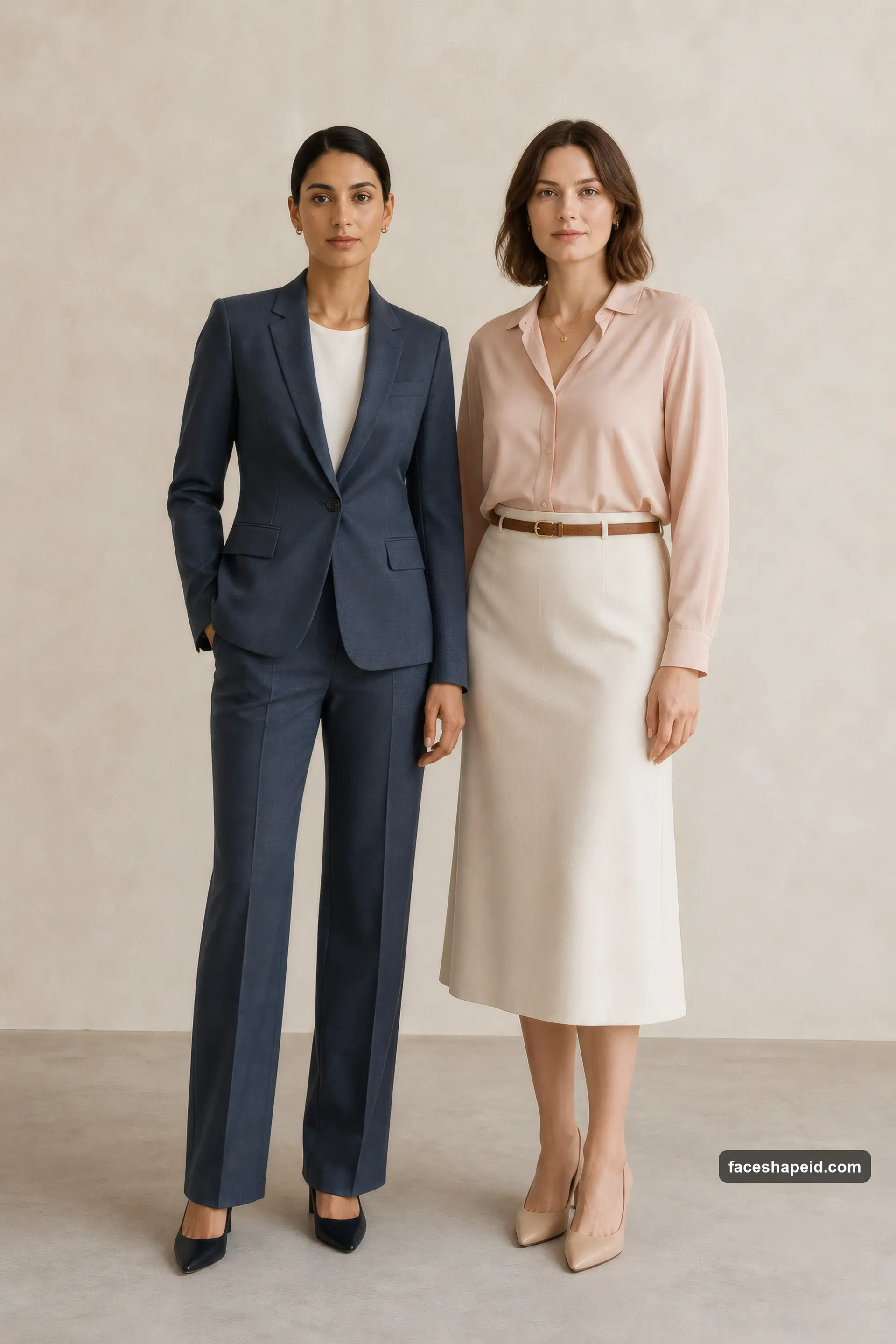
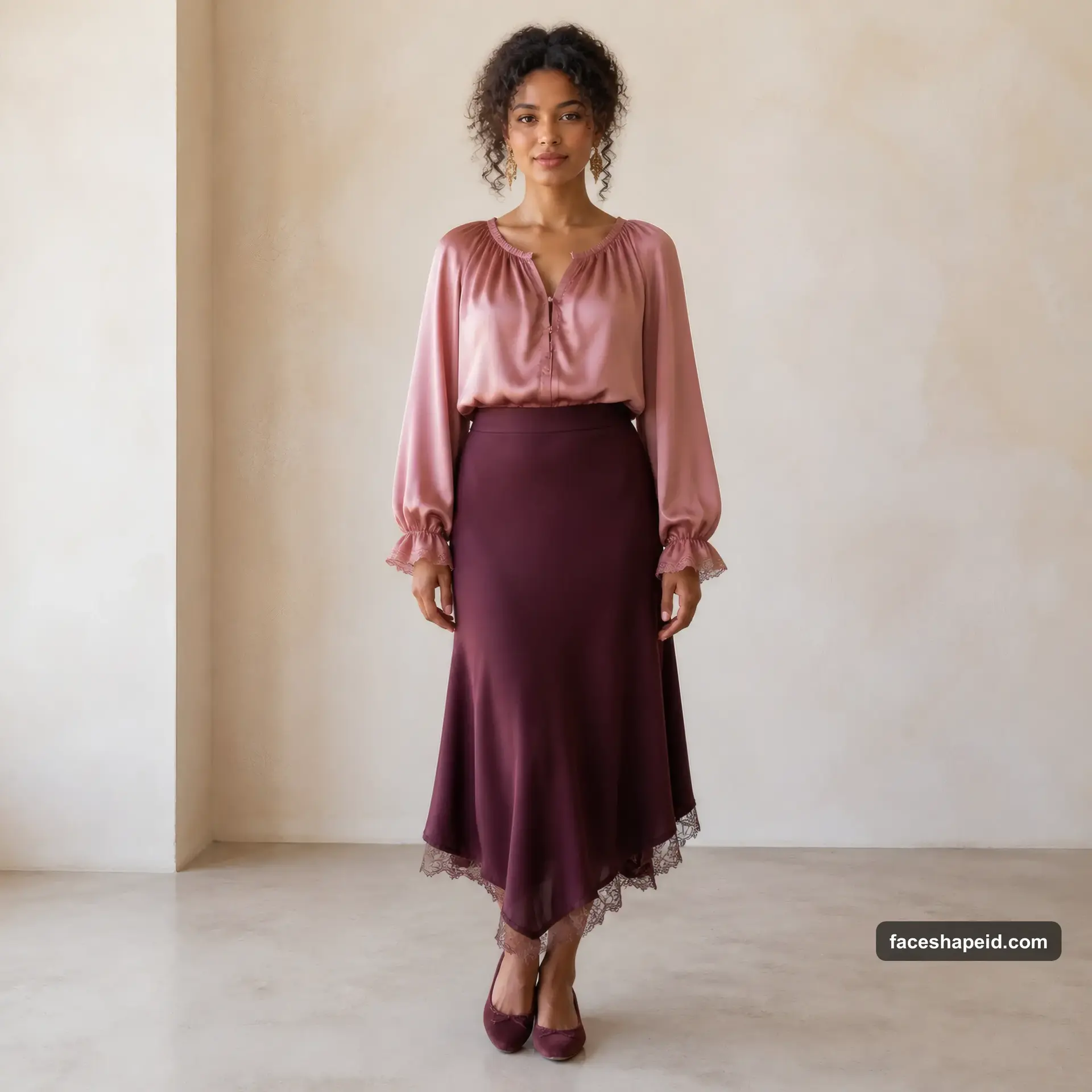
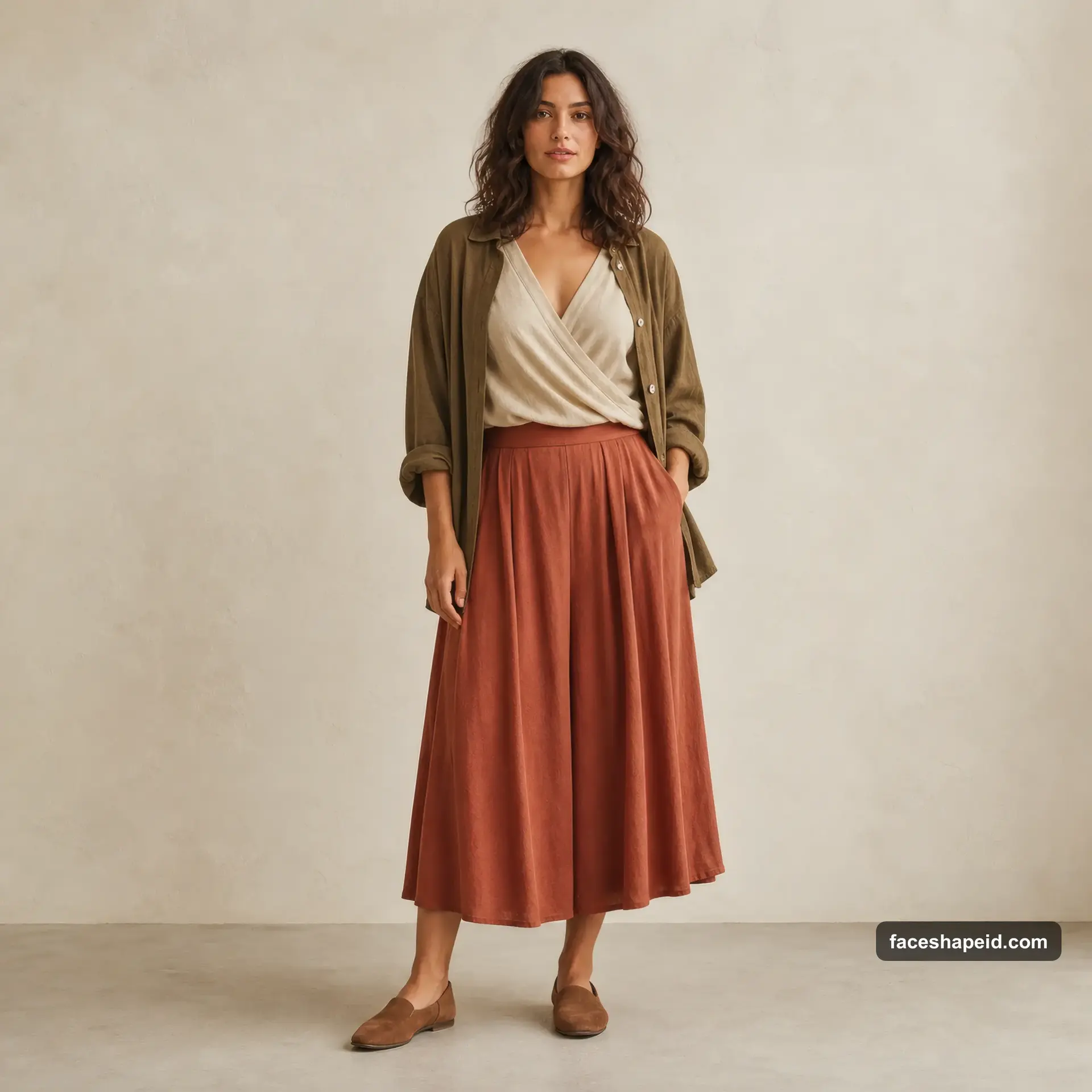
Take straight-on photos in several outfits and compare the total silhouette. Use similar poses, camera distance, and lighting. A long coat, relaxed open layer, evenly tailored outfit, cropped contrast look, and curve-following look give you more useful evidence than measuring one wrist.
Use a four-step process
- Choose the dominant clothing need you can repeat across several outfits.
- Use the five families to narrow the field: Dramatic, Natural, Classic, Gamine, or Romantic.
- Compare the two current identities within the likely family.
- Repeat the test with clothes you would wear in daily life before settling on a name.
Treat quizzes as a worksheet
A Kibbe quiz can give your observations structure, but it cannot see how an outfit moves, drapes, and reads from head to toe. Results also change when a quiz treats body parts as points and adds them together.
Keep the observations you can verify in clothing. Discard a result which depends on one feature or gives no reason for its choice.
If you are between two types
Test the clothing difference between the two candidates. Soft Dramatic and Soft Natural both include curve, for example, but one leads with vertical while the other needs width. Dramatic Classic and Soft Classic share balance, then separate through added sharpness or curve.
The useful result is the direction which improves more outfits, not the label which sounds closest to a body-shape description.
Sources
Face Shape ID is an independent educational resource and is not affiliated with David Kibbe or his Image Identity System.