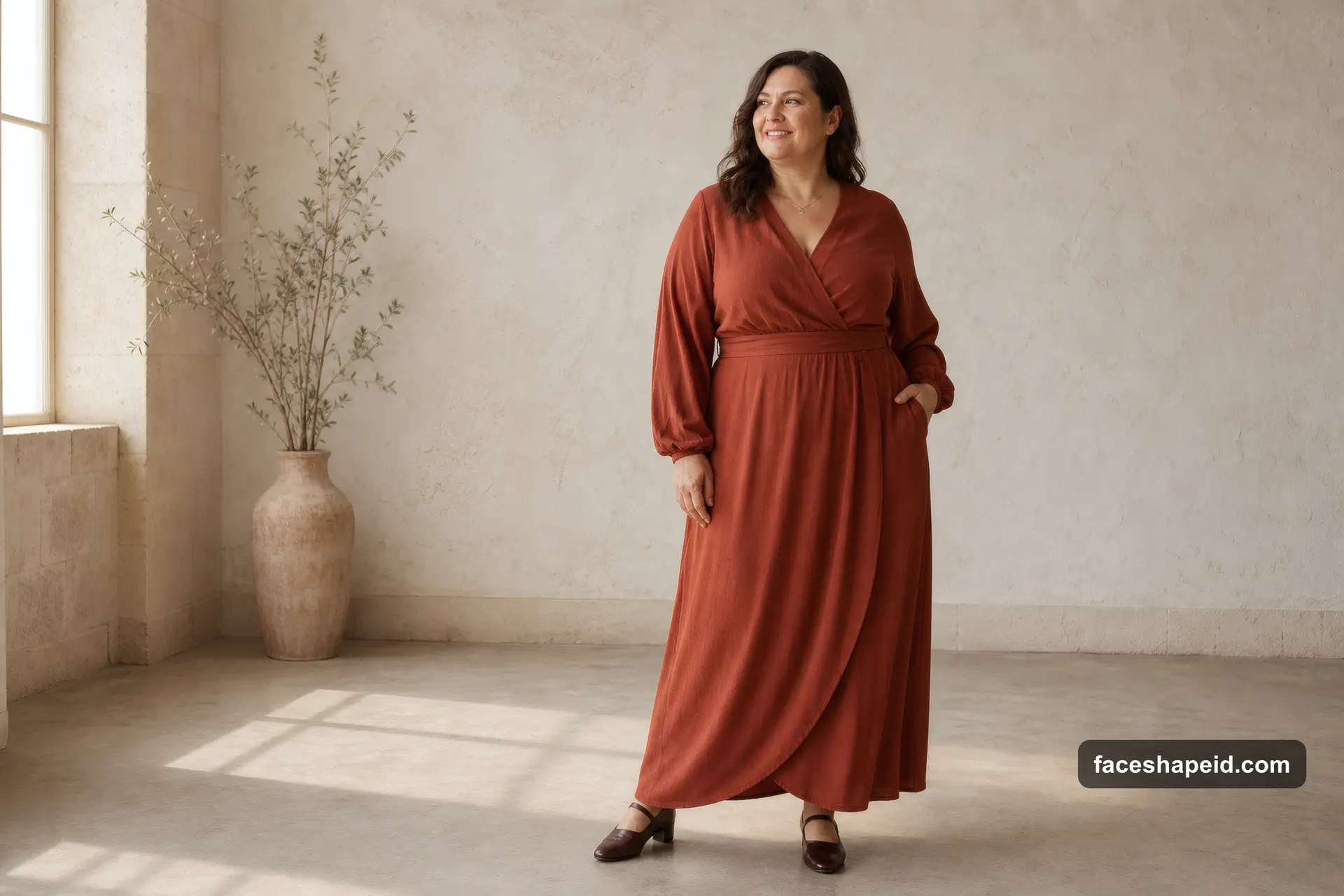
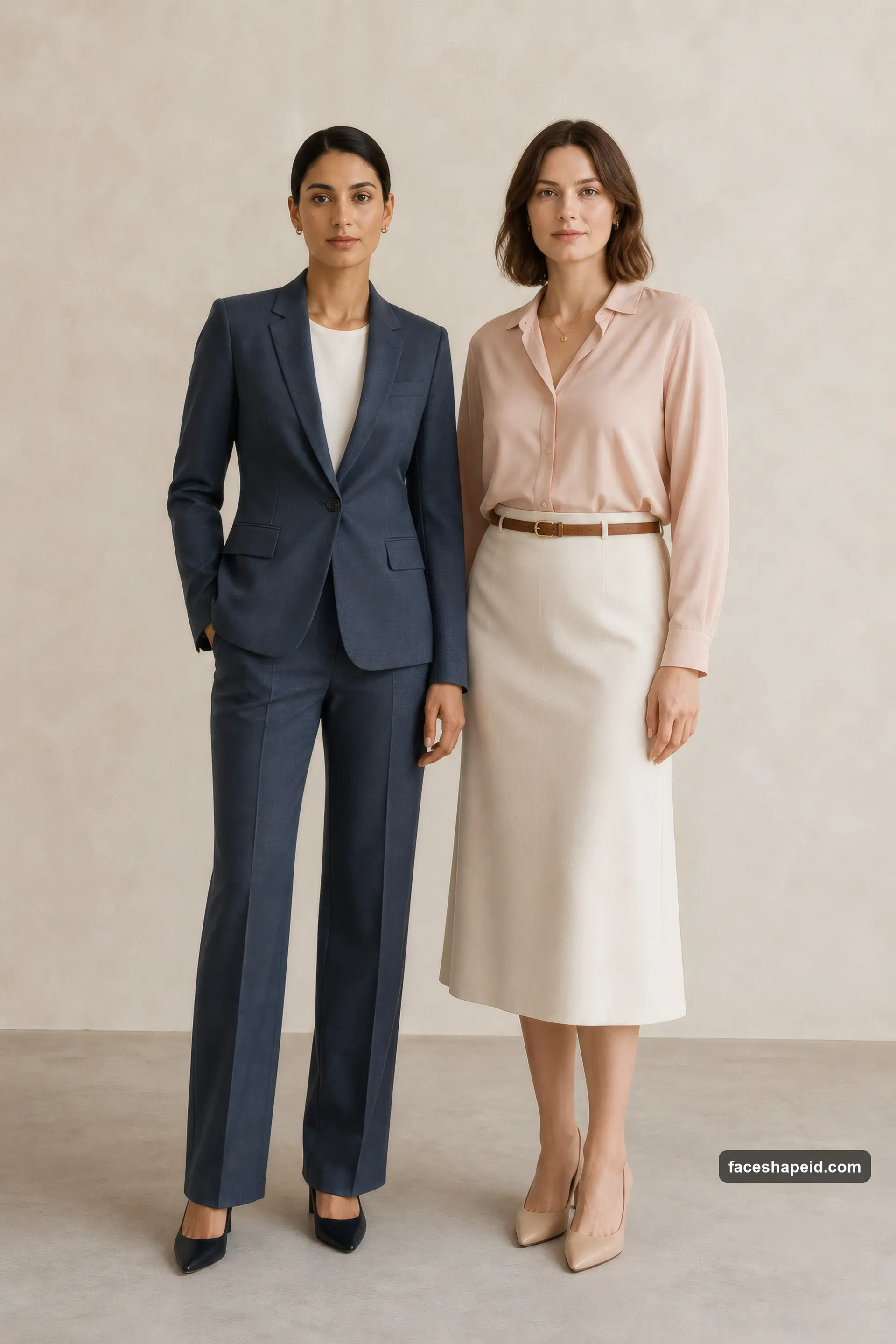
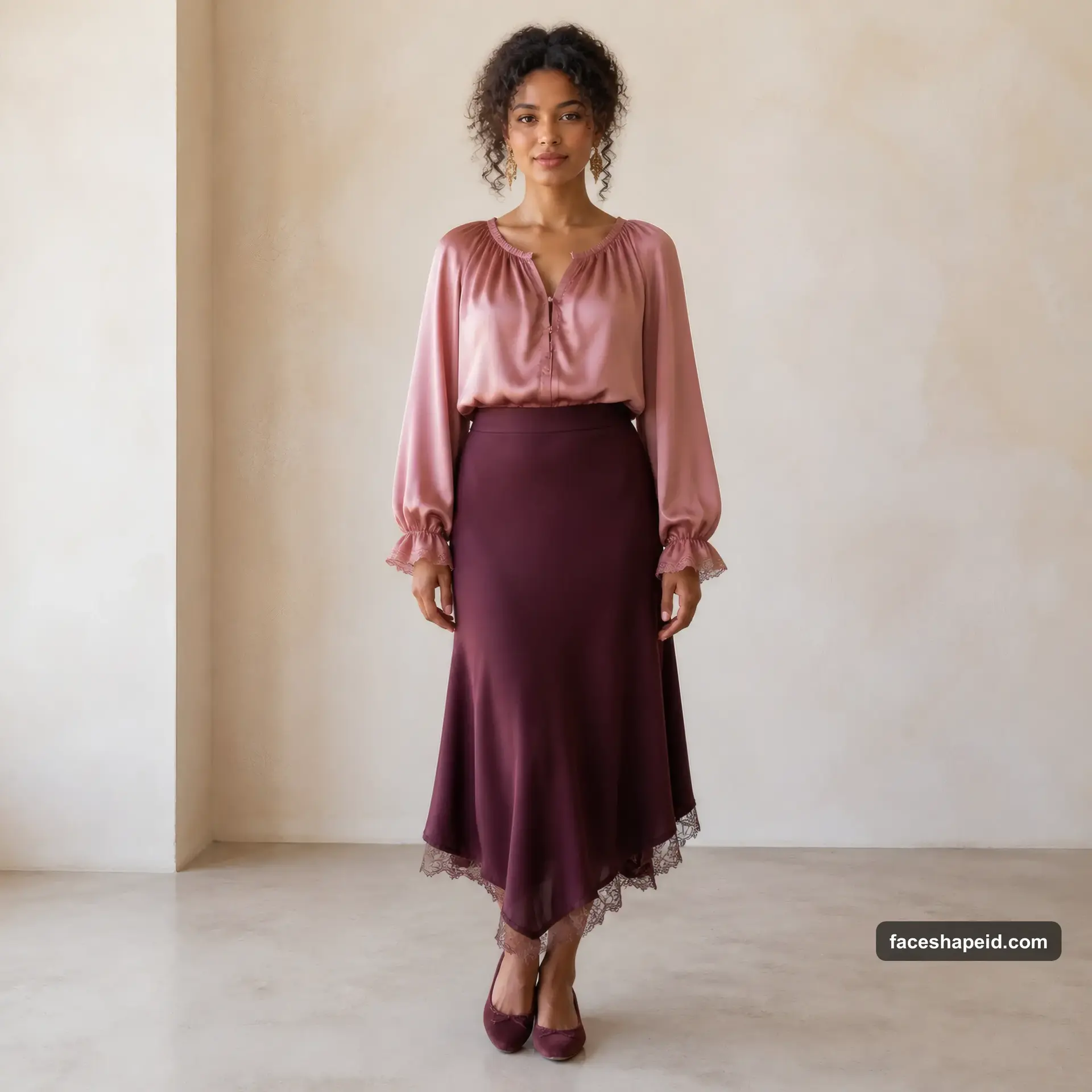
Turn a type into a useful wardrobe
Kibbe body types clothes
Kibbe body types clothes guidance works best when it starts with line and ends with a real outfit. Use this table to choose a silhouette, fabric, and detail direction, then adapt each piece to fit and personal taste.
Face Shape ID is an independent educational resource. We are not affiliated with David Kibbe or his Image Identity System.
Quick answer
Kibbe body types clothes guidance works best when it starts with line and ends with a real outfit. Use this table to choose a silhouette, fabric, and detail direction, then adapt each piece to fit and personal taste.
Kibbe body types clothes chart
Use the first column as a starting point, not a shopping uniform. The best recommendation is the one you can repeat with your own fabrics, proportions, and daily activities.
| Identity | Start with this silhouette | Useful fabric direction |
|---|---|---|
| Dramatic | Long column, sharp shoulder, clean trousers | Fine wool, crisp cotton, smooth leather |
| Soft Dramatic | Long draped dress, sweeping coat, defined waist | Fluid jersey, silk, soft fabrics with weight |
| Flamboyant Natural | Open overshirt, long relaxed trouser, easy jumpsuit | Linen, textured knits, substantial denim |
| Soft Natural | Relaxed wrap, softly shaped knit, easy midi skirt | Soft cotton, brushed knit, fluid matte fabrics |
| Dramatic Classic | Measured suit, narrow trouser, crisp balanced dress | Tailoring fabrics with a smooth surface |
| Soft Classic | Softly shaped blouse, smooth skirt, moderate jacket | Fine knits, crepe, polished fabrics |
| Flamboyant Gamine | Cropped jacket, broken-color outfit, slim trouser | Crisp cotton, compact knits, high-contrast texture |
| Soft Gamine | Cropped cardigan, fitted waist, curved neckline | Soft knits, fluid crepe, small-scale prints |
| Theatrical Romantic | Fitted dress, narrow lapel, precise waist detail | Velvet, silk, supple satin |
| Romantic | Curve-following dress, rounded neckline, soft skirt | Drape, lace, soft satin, fluid knits |
Build an outfit in three decisions
When a recommendation feels vague, break it into three choices. First decide the overall line. Then choose fabric which can hold or follow that line. Finish with detail at a scale which belongs to the silhouette.
This approach leaves room for jeans, sneakers, workwear, modest dressing, uniforms, and clothes you already own. Kibbe style is more useful when it meets your life, not when it asks you to rebuild it.
1. Shape
Choose the silhouette
Ask whether the outfit needs a long column, open ease, moderate balance, compact breaks, or curve-following shaping.
2. Movement
Choose the fabric
Crisp, fluid, textured, fine, and substantial fabrics create different line effects even when the pattern is similar.
3. Scale
Choose the detail
Repeat the outfit direction in collars, buttons, prints, jewelry, shoes, and bags without letting one detail take over.
A shopping checklist for any Kibbe direction
- Does the garment keep its intended line when you walk, sit, and lift your arms?
- Does the fabric support the silhouette instead of collapsing or fighting it?
- Is the scale of the print, hardware, collar, or shoe visible at the same distance as the rest of the outfit?
- Can you style the item with at least two pieces you already wear?
- Does the item fit your body and suit your day before you judge the Kibbe direction?
Adapt recommendations without losing the line
A clothing direction is not a ban list. A Dramatic can wear soft fabric when the line stays long and clean. A Romantic can wear denim when the shape and movement stay curve-friendly. A Gamine can wear one color when the outfit still has compact energy through cut or detail.
Keep the visual job of the garment, then change the color, price, coverage, fabric, or trend to suit your life. Your wardrobe should become easier to use, not more fragile.
Frequently asked questions
What clothes should I buy for my Kibbe body type?
Start with the silhouette your line needs, then choose a fabric and detail scale which support it. Fit, comfort, climate, and personal taste matter as much as the type label.
Do Kibbe clothing recommendations ban certain clothes?
No. Recommendations describe a direction, not a list of forbidden garments. Adapt pieces by changing their line, fabric, scale, or styling so they work in your wardrobe.
Can I use Kibbe clothing advice at any size?
Yes. The line direction can be adapted across sizes. Check garment fit, fabric behavior, and the complete outfit instead of assuming a recommendation only works on one body size.
Sources
These pages summarize a style framework for educational use. They do not provide an official David Kibbe typing service.