Understanding Your Eye Shape Result
Your eye shape result tells you more than a label — it reveals the geometry that drives how light hits your eyes, how expressions read, and which accessories frame your face best. This guide helps you interpret the result, get a more accurate scan, and apply the insight beyond makeup.





How to Read Your Confidence Score
The detector returns a shape label along with a confidence percentage. A high score (above 80%) means your eye geometry strongly matches one category. A lower score often means your eyes blend two shapes — for example, 60% hooded and 30% almond. When scores are split, read the tips for both shapes and combine the advice. Both labels are valid and useful.
Taking a Better Photo for Accurate Detection
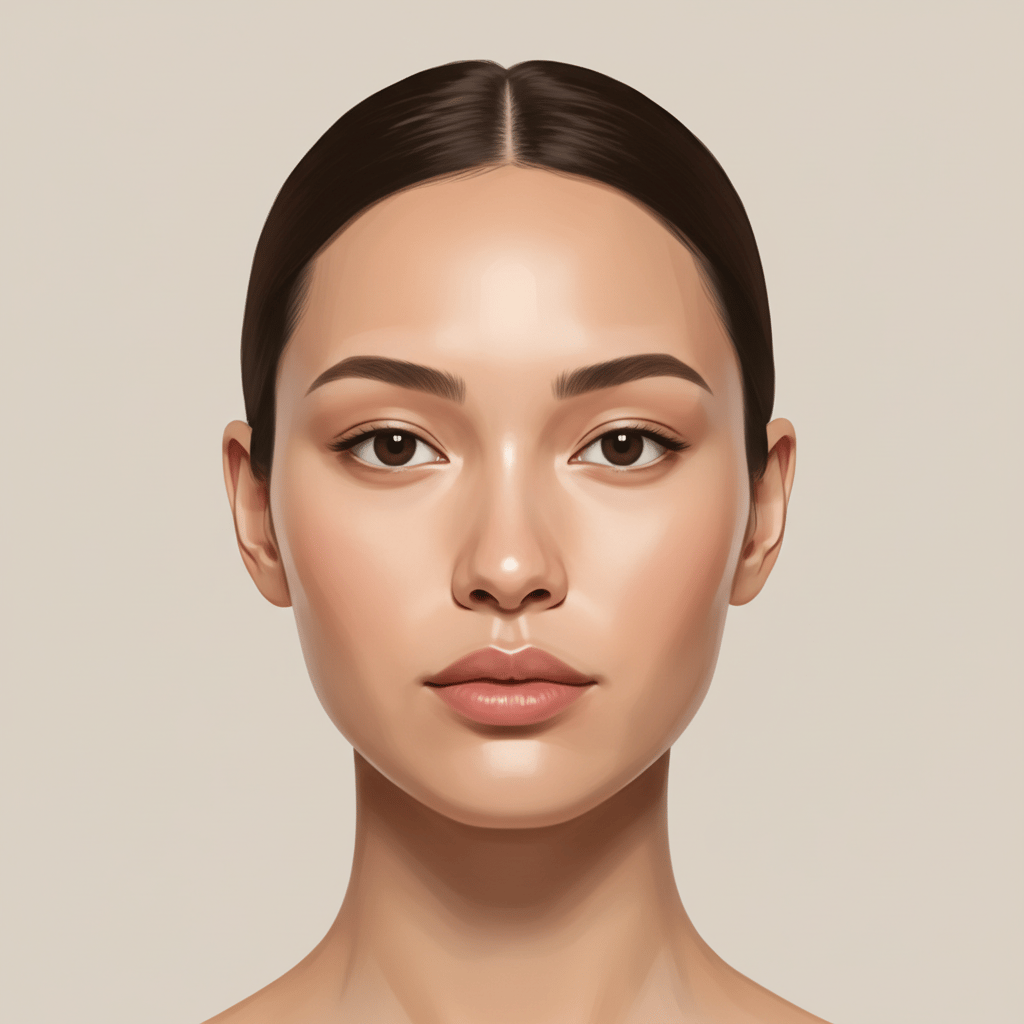
Face the camera straight on with both eyes fully open. Even, front-facing light works best — overhead light creates shadows that mimic a hooded crease, and side light makes one eye look different from the other. Remove glasses, pull hair back from your forehead, and keep your expression neutral. A slight chin tilt can change how the crease reads, so keep your head level.
What Your Eye Shape Means Beyond Makeup
Eye shape influences which sunglasses sit well on your face, how expressive your resting face appears, and even how certain hairstyles frame your look. Round eyes naturally appear more open and alert, while hooded eyes can read as relaxed or mysterious. Neither is better — they simply give different starting points for how you present yourself.
Tips by Type
Specific recommendations for each eye shape shape result.
Your proportional shape means most sunglasses and frames suit you. Experiment freely — your geometry won't fight against many styles.
Angular frames balance your curves. Avoid perfectly round sunglasses unless you want to amplify the roundness deliberately.
When choosing glasses, look for frames that sit higher on the nose bridge to avoid crowding the visible lid space. Thinner top rims keep the eye area open.
Your smooth lid surface catches light beautifully. Browline or cat-eye frames highlight the clean canvas of your lid.
Cat-eye sunglasses echo your natural lift. Aviators provide a contrasting straight line that balances the upward pull.
Upswept or cat-eye frames counteract the downward angle at the outer corner and create a lifted appearance.
Avoid frames with heavy brow bars — they add shadow over already-recessed eyes. Lighter, thinner frames let more light reach your eyes.
Frames wider than your face or with transparent bridges create the illusion of more space between your eyes.
Frames with a strong, dark bridge draw attention inward and visually close the gap between your eyes.