Lip Makeup Matched to Your Lip Shape
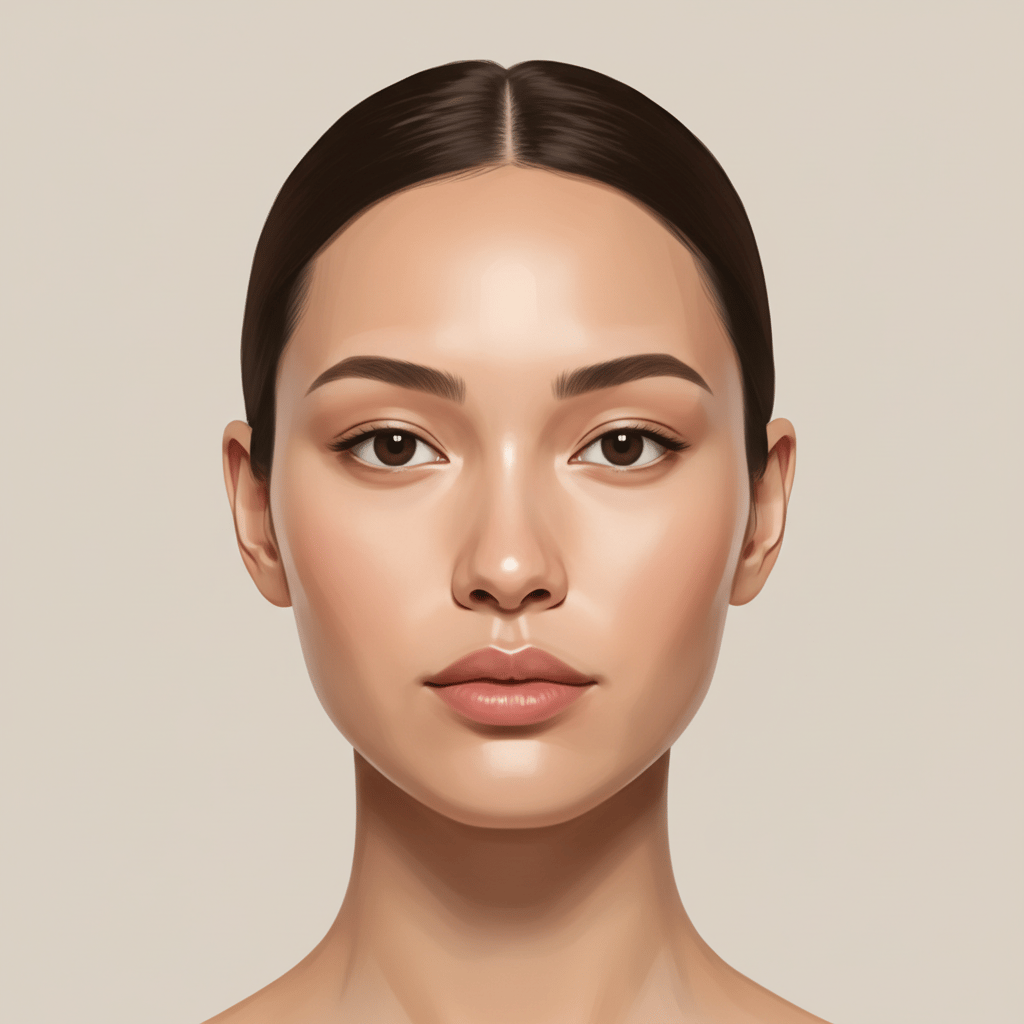
Lip liner and lipstick do more than add color — they redefine the visual boundary of your lips. Where you place liner, how far you extend it, and which finish you choose all shift how your lip shape reads. Detect your shape above, then use these techniques to enhance what you have or subtly adjust the proportions.



Liner Placement Is the Real Technique
Lip liner does the structural work. For thin lips, lining just outside the natural lip border (overlining) adds visible fullness — but only by one millimeter at most, or it reads as obvious. For full lips, lining exactly on the lip border and filling with a matte shade keeps the shape defined without adding volume. For downturned lips, stopping the liner just before the corners turn down lifts the perceived mouth shape.
Finish Matters: Matte, Satin, or Gloss
Matte lipsticks make lips appear slightly smaller and more defined — good for full lips that want structure. Gloss and satin finishes reflect light and make lips appear fuller — the go-to choice for thin or narrow lips. A dab of clear gloss at the center of the lower lip creates dimension on any lip shape by catching light at the fullest point.
Color Selection by Proportion
Lighter, nude shades make lips recede, while darker shades make them pop forward. If your upper and lower lip are uneven, use a slightly darker shade on the thinner lip and a lighter shade on the fuller one to balance them visually. Bold reds and berries work especially well on bow-shaped lips where the defined cupid's bow gives the color a natural frame to sit within.
Makeup by Type
Specific recommendations for each lip shape shape result.
You have natural volume, so lean into it. Matte formulas define the shape without adding bulk. Line exactly on the lip border to keep the shape crisp, and avoid heavy gloss on top of full lips — it can read as too much.
Overline by a hair's width with a shade that matches your lip color. Use a satin or glossy finish to catch light and create fullness. Avoid dark matte colors, which make thin lips recede further.
Balance by slightly overlining the lower lip and lining the upper lip exactly on the border. Apply a slightly lighter shade to the lower lip to bring it forward visually.
Define the upper lip's cupid's bow with a pencil and line slightly outside the natural upper border. A highlight dot above the cupid's bow draws attention upward and balances the proportions.
Avoid lining into the very corners of the mouth, which extends the visual width. Concentrate color in the center of the lips and blend outward to create a rounded, less wide appearance.
Your defined cupid's bow is an asset — highlight it with a touch of concealer or highlighter above the peaks. Bold colors that contrast with your skin tone showcase the shape beautifully.
Stop lining before you reach the downturned corners. A tiny dot of highlighter at each corner lifts the visual endpoint. Avoid dark lip colors at the corners, which emphasize the downturn.