Understanding & Caring for Your Lip Shape
Your lip shape is one of the first features people notice in conversation. Beyond makeup, keeping lips healthy, hydrated, and well-maintained makes every lip shape look its best. This guide covers how to interpret your result, daily lip care, and how your lip proportions affect your overall facial harmony.
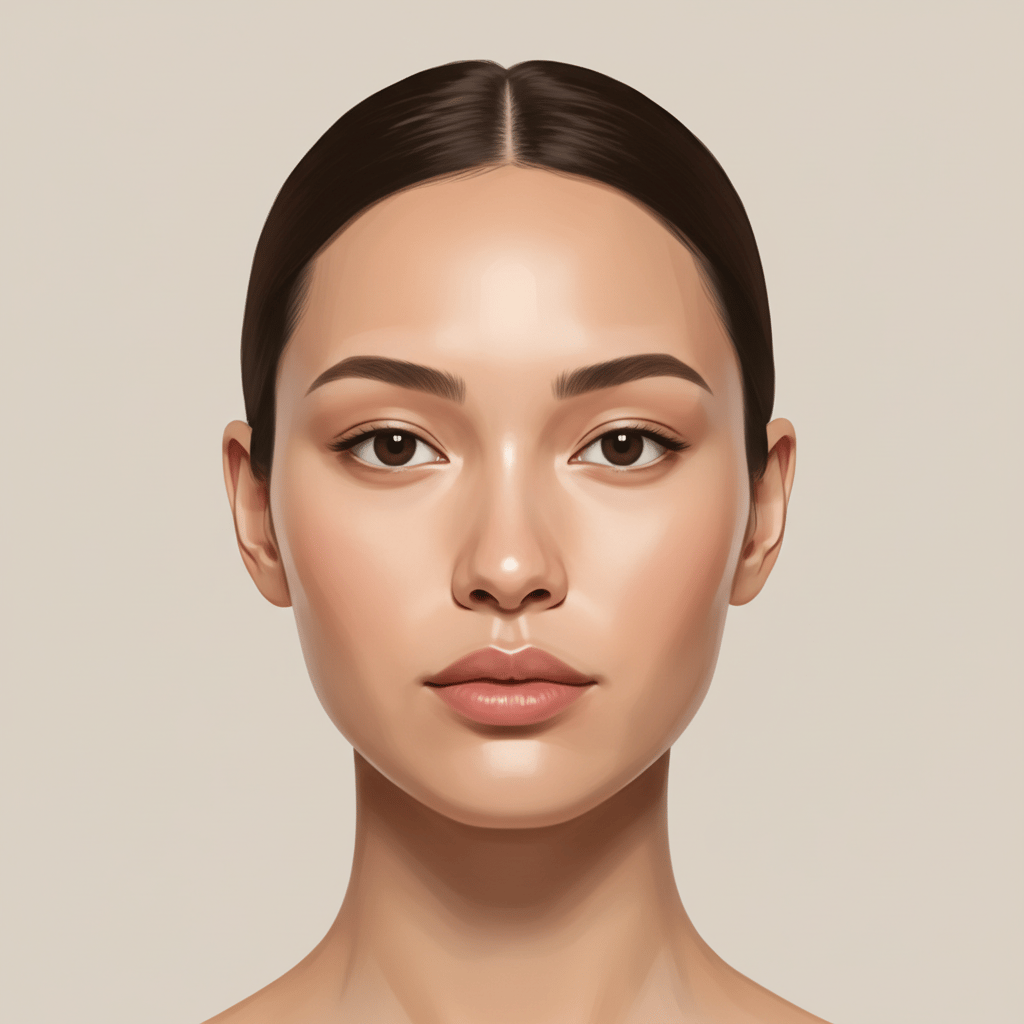






What Your Lip Proportions Tell You
The ratio between your upper and lower lip affects overall facial balance. A 1:1.6 ratio (lower lip slightly fuller than upper) is the most common proportion. Top-heavy and bottom-heavy results indicate a departure from this ratio, which isn't a flaw — it's a distinctive feature that gives your face character. Many iconic looks are built on asymmetric lip proportions.
A Daily Lip Care Routine That Actually Works
Lips lack oil glands, so they can't moisturize themselves. A simple routine: exfoliate gently once or twice a week with a sugar scrub or soft toothbrush to remove dead skin. Apply a hydrating lip balm with ingredients like shea butter, hyaluronic acid, or ceramides throughout the day. At night, use a thicker overnight lip mask. Avoid licking your lips — saliva evaporates quickly and leaves lips drier than before.
How Lip Shape Interacts with Other Features
Lip shape doesn't exist in isolation. Wide lips on a narrow face create a focal point that draws attention to the lower face. Thin lips on a wide face can appear more proportional than on a narrow one. Bow-shaped lips echo the angles of an angular jawline, creating visual harmony. Understanding these relationships helps you make styling choices — hairstyle, neckline, even earring shape — that balance your face as a whole.
Tips by Type
Specific recommendations for each lip shape shape result.
Your lips are naturally hydrated-looking but may be prone to chapping across a larger surface area. Keep a nourishing balm on hand and exfoliate regularly to prevent flaking along the wider lip border.
Hydration is especially visible on thin lips — well-moisturized thin lips look plump and healthy. Avoid matte formulas for everyday wear, as they can emphasize thinness. A tinted balm gives color and shine in one step.
Your upper lip is the star — keep it smooth and exfoliated so it catches light evenly. When smiling, your upper lip does most of the visual work, so lip care routines that keep the vermilion border defined will pay off.
Your lower lip carries more volume and is more exposed to sun and wind. Use SPF lip balm daily, especially on the lower lip, and hydrate the area that's most visible during conversation.
A wide lip shape gives you an expressive smile that's naturally photogenic. For everyday care, focus on keeping the corners moisturized — wider mouths tend to crack at the commissures first.
Your cupid's bow is your signature. Keep the skin above the upper lip smooth and exfoliated so the bow's definition stays crisp. A light highlight on the bow peaks enhances definition naturally.
The corners of your mouth may be prone to dryness and cracking. Apply balm specifically at the corners before bed, and use a nighttime lip mask to keep the area supple. Well-hydrated corners minimize the visual downturn.